When to Call a Plumber vs. DIY
Save money on the small stuff, but know when to call a pro before a small drip becomes a flood.
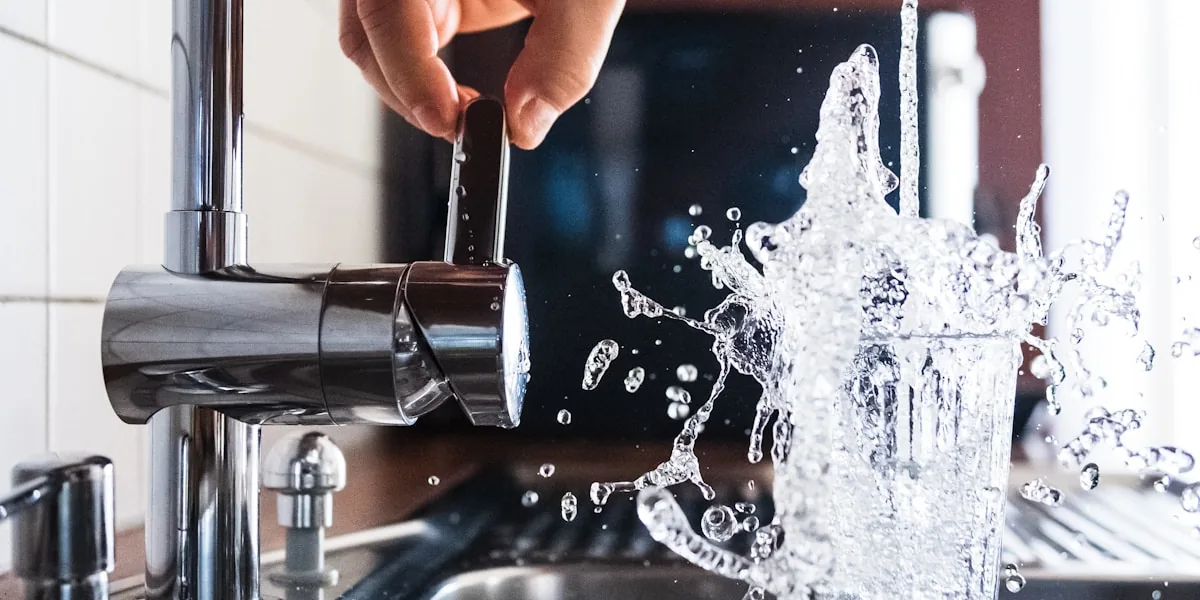
We love DIY spirit. Fixing a running toilet or unclogging a sink are great skills for any homeowner. However, modern plumbing systems are complex networks of pressure, valves, and vents. One wrong move can violate local codes or cause water damage that costs thousands to repair.
Safe to DIY
These projects are generally low-risk and require only basic tools like a wrench or plunger.
- Unclogging sinks and showers: Using a plunger or a small hand snake.
- Replacing a showerhead: A simple screw-on/screw-off task (use teflon tape!).
- Replacing a toilet flapper: If your toilet runs constantly, the $5 rubber flapper is usually the culprit.
- Installing a new kitchen faucet: As long as the shut-off valves work, this is a distinct project.
Grey Area (Proceed with Caution)
These tasks are doable for experienced DIYers but can go wrong quickly.
- Replacing shut-off valves: If the copper pipe is old, it can crumble or leak.
- Garbage disposal installation: Involves electrical and heavy lifting.
- Sump pump replacement: Critical for flood prevention; ensure you get the right horsepower.
Always Call a Professional
Never attempt these repairs yourself unless you are a licensed plumber.
1. Gas Line Work
Risk: Explosion, Carbon Monoxide poisoning, Death.
Working on gas lines requires a license in almost every jurisdiction. The risks are simply too high to save a few dollars.
2. Main Line Sewer Stoppages
Signs: Multiple drains backing up, sewage in bathtub.
This requires heavy-duty industrial augers or hydro-jetters. Amateur equipment can get stuck in the line, and renting the big machines without training can result in broken pipes or injury.
3. Water Heater Installation
Risk: Gas leaks, improper venting (CO poisoning), explosion.
Water heaters are pressure vessels. If the relief valve is installed incorrectly, it becomes a bomb. If the vent is drafted poorly, it fills your home with carbon monoxide.
4. Frozen Pipes
Risk: Burst pipes, massive water damage.
Thawing pipes incorrectly can cause them to burst instantly. Plumbers have specialized equipment to thaw pipes safely.
5. Remodeling / Moving Pipes
Risk: Code violations, venting issues.
Moving a drain requires understanding strict venting codes. Only a pro knows how to ensure the system breathes correctly to prevent sewer gas from entering your home.
The Cost of "Learning the Hard Way"
A service call might cost $150-$300. But fixing a mistake often costs 10x that amount. If you break a valve behind a wall, you're paying for emergency plumbing, drywall repair, painting, and potentially flooring if it floods.
Hiring a plumber?
Plumbsie doesn't send plumbers or refer jobs. Before you hire anyone, look up their license at cslb.ca.gov (California plumbers hold a C-36 license), confirm it's active, and get written estimates from more than one licensed plumber.
How to vet a plumber