How to Fix a Leaking Faucet: A Complete DIY Guide
Stop the drip, save money, and fix it yourself in less than an hour.
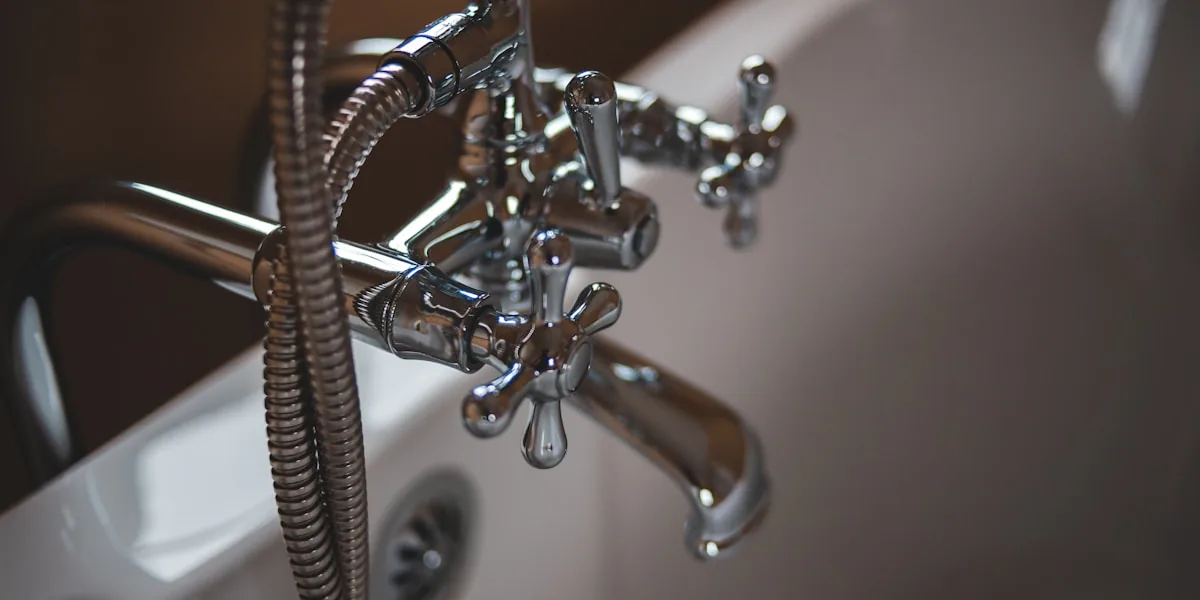
A dripping faucet is more than just an annoyance that keeps you up at night—it’s a drain on your wallet and the environment. A faucet that drips just once per second can waste more than 3,000 gallons of water per year, according to the EPA. The good news? Fixing a leaky faucet is one of the most manageable DIY plumbing tasks for homeowners.
Tools You Will Need
- Adjustable wrench
- Phillips and flat-head screwdrivers
- Penetrating oil (like WD-40)
- Replacement parts (wait to disassemble before buying)
- White vinegar and a scrubbing pad
Step 1: Turn Off the Water
Before you loosen a single screw, locate the water shut-off valves under the sink. Turn them clockwise until they are tight. If you don't have shut-off valves under the sink, you'll need to turn off the main water supply to the house. Open the faucet to drain any remaining water and relieve pressure.
Step 2: Identify Your Faucet Type
There are four main types of faucets, and identifying yours is crucial for the repair:
- Compression Faucets: Have two handles (hot and cold) and require you to tighten the handle to stop the flow. These use rubber washers that degrade over time.
- Ball Faucets: Commonly found in kitchen sinks, these have a single handle that moves over a ball-shaped cap.
- Cartridge Faucets: Can be single or double handle. The handle operation is smooth and consistent (unlike compression faucets that require tightening).
- Ceramic Disk Faucets: Modern single-handle faucets that use a ceramic cylinder. They are very durable but can leak if the seal breaks.
Fixing a Compression Faucet
Most leaks in compression faucets are caused by worn-out rubber washers.
- Remove the decorative cap on the handle (usually labeled H or C).
- Unscrew the handle and remove it.
- Use a wrench to remove the nut. inside, you'll find the stem (also called the valve seat).
- Remove the stem and look at the O-ring and the washer at the bottom.
- Replace the washer with an exact match from the hardware store.
- Reassemble in reverse order.
Fixing a Cartridge Faucet
If your cartridge faucet leaks, you usually need to replace the entire cartridge.
- Remove the handle (look for a set screw, often hidden under a cap or on the back).
- Remove the retaining clip (a U-shaped metal or plastic piece).
- Pull the cartridge straight up. It might be stuck—use pliers if necessary (carefully!).
- Take the old cartridge to the store to find the exact replacement.
- Insert the new cartridge, replace the clip, and reattach the handle.
Step 3: Clean Mineral Deposits
While you have the faucet taken apart, check for mineral buildup (lime scale). Soak the parts in white vinegar for an hour to dissolve the deposits. This can improve water flow and prevent future leaks.
Step 4: Reassemble and Test
Put everything back together carefully. Don't overtighten the nuts, as this can crack the fixture. Turn the water supply back on slowly. Check for leaks around the base of the handle and from the spout. If it’s still leaking, the problem might be a corroded valve seat (requires a tailored tool called a seat dresser) or it might be time to replace the entire faucet.
When to Call a Professional
If you've replaced the washers or cartridges and the leak persists, or if you encounter rusted shut-off valves that won't turn, it's safer to call a pro. Overtightening old plumbing can lead to burst pipes, turning a $20 repair into a $2,000 disaster.
Hiring a plumber?
Plumbsie doesn't send plumbers or refer jobs. Before you hire anyone, look up their license at cslb.ca.gov (California plumbers hold a C-36 license), confirm it's active, and get written estimates from more than one licensed plumber.
How to vet a plumber